Pelvic Floor Therapy in Chicago
Get lasting relief and support with Pelvic Floor and Physical therapy. We specialize in pregnancy, fertility, menopause & sexual health.
Common but treatable issues related to Pelvic Health
Incontinence affects millions of people around the world, and is often considered a natural part of the aging process. Despite its prevalence, incontinence should not be considered “normal” or just lived with.
You might feel…
- embarrassed or ashamed
- held back from participating in your favorite activities
- physically uncomfortable
- or in pain, leading to further stress and anxiety
Despite these challenges, many people with incontinence choose to suffer in silence, reluctant to seek help for fear of being judged or embarrassed.
Incontinence is treatable, and seeking help is not a sign of weakness or a cause for shame. Take control of your body with non-invasive Physical Therapy today.
Pelvic pain can be caused several reasons, for example:
- menstrual cramps or endometriosis
- pelvic inflammatory disease
- urinary tract infections
- muscle spasms or nerve damage
- scar tissue
The pain can range from mild to excruciating, and it can come with other symptoms, like bloating, constipation, or difficulty urinating.
Our Physical Therapists will work closely with you to identify the underlying cause of the pain to develop an effective treatment plan.
This may include a combination of exercises, stretches, manual therapy, and biofeedback to relieve pain, reduce inflammation, improve flexibility, and restore function, so you can forget the pain.
Sexual dysfunction is common in men and women alike, and can be caused by different physical factors, including menopause, hormonal imbalances, pelvic floor muscle or erectile dysfunction.
This might cause issues like:
- pain during sex
- low libido
- difficulty achieving orgasm
- urinary incontinence
- premature ejaculation
- erectile dysfunction
Pelvic floor therapy may involve exercises to strengthen or relax the pelvic floor muscles, as well as education on sexual positioning and techniques that can help reduce pain or improve sexual function.
In addition to addressing specific sexual concerns, pelvic floor therapy can also help improve overall sexual health and well-being. This may include improving body awareness and mindfulness, addressing anxiety or stress related to sexual function, and improving communication with sexual partners.
It is important to note that sexual health concerns can be complex and multifaceted, and may involve physical, psychological, and emotional factors. A holistic approach that addresses all of these factors may be most effective in improving sexual health and function. It is also important to work with a qualified and experienced healthcare provider who can tailor treatment to the individual’s unique needs and circumstances.
Cancer rehabilitation is essential for patients who have undergone cancer treatment. The symptoms of cancer treatment can include:
- fatigue
- muscle weakness
- pain
- damage to organs and tissues
- depression or anxiety
Non-invasive physical therapy is a great way to help you recover from the physical and emotional effects of cancer treatment.
Skilled and customized PT that keeps your physical shape, needs and goals in mind, will improve muscle strength and flexibility, reduce pain, and improve cardiovascular health.
Exercise and PT can also address emotional and psychological issues by improving mood and reducing anxiety and depression. By helping you regain strength and confidence, physical therapy can significantly improve quality of life and overall health.
Pelvic organ prolapse can happen when the muscles that support your pelvic organs become weakened or damaged, leading to a bulging or drooping of one or more organs (bladder, uterus, or rectum).
This can be caused by a variety of factors, for example pregnancy and childbirth, aging, chronic coughing or constipation, and more.
With prolapse, you might be suffering from one of the following symptoms:
- heaviness or bulging sensation in the vagina
- pressure in the vagina
- difficulty urinating
- pain or discomfort during sex
- difficulty with bowel movements
Pelvic organ prolapse is often treatable with physical therapy! A skilled physical therapist can work with you to help strengthen the muscles of your pelvic floor, improving your symptoms and reducing the risk of future prolapse. Keep in mind that it is a common condition, and seeking help can be a great first step in finding relief.
As your uterus expands to accommodate your baby during pregnancy, you might feel pressure on your lower back, hips, and pelvic region, leading to pain and discomfort.
To minimize discomfort and set yourself up for success, we recommend going to physical therapy in the months leading up to delivery, and after labor to speed up recovery.
PT can play a critical role in ensuring you will have a healthy and positive pregnancy and childbirth experience, and can help you recover faster after the birth of your baby. The physical strain of labor and delivery can lead to muscle weakness, pelvic floor dysfunction, back pain, and other issues that impact daily life.
Our Chicago PT for new mothers helps restore your strength, flexibility, and range of motion, which are all important for performing daily tasks, caring for your newborn, and participating in physical activities.
Furthermore, physical therapy can also help prevent long-term issues such as chronic pain, incontinence, and pelvic organ prolapse.
Pelvic Floor Therapy after surgery is a common recommendation after surgical procedures that may impact the pelvic floor muscles and tissues. This includes surgeries such as:
- prostatectomy
- hysterectomy
- endometriosis surgery
- abdominal surgery
- colorectal surgery, and more
Pelvic floor rehabilitation physical therapy focuses on restoring strength, flexibility, and function to the pelvic floor muscles and tissues.
Here’s how we tailor your post-surgical recovery:
- Gradual progression. We may start with gentle exercises and techniques and gradually increase intensity and difficulty as healing progresses.
- Scar tissue management. For surgeries that involve incisions, our PTs may use manual therapy techniques or massage to help prevent or manage scar tissue formation.
- Pain management. Pain is a common issue after surgery, and your therapist may use various techniques such as heat, ice, or TENS (transcutaneous electrical nerve stimulation) to help manage pain and promote healing.
- Bowel and bladder management. Depending on the type of surgery and its impact on bowel and bladder function, your physical therapist may provide education and guidance on techniques such as bowel and bladder retraining or pelvic floor relaxation to help manage these issues.
Pelvic Floor therapy is an important part of post-surgical recovery for many individuals, helping reduce pain, improve function, and prevent long-term complications. We recommend closely working with our qualified and experienced pelvic floor therapist who can tailor treatment to your unique needs and circumstances.
Why choose Chicago Pelvic Floor Therapy?
- Professional
- Personalized
- Precise
What Is Pelvic Floor Physical Therapy? A Complete Guide for Women and Men
Understanding Pelvic Floor Physical Therapy
Pelvic floor physical therapy is a specialized form of physical therapy that evaluates and treats the muscles, connective tissues, nerves, joints, posture, breathing mechanics, and movement patterns that support the pelvis and core. Although many people associate pelvic floor therapy only with pregnancy or urinary leakage, it can help women and men of all ages experiencing a wide variety of symptoms.
At Advance Core Physical Therapy & Wellness, we believe the pelvic floor should never be evaluated in isolation. The diaphragm, abdominal muscles, spine, hips, rib cage, and pelvic floor work together as one integrated system. When one part is not functioning well, the entire system can be affected.
What Is the Pelvic Floor?
The pelvic floor is a group of muscles, ligaments, and connective tissues located at the base of the pelvis. These muscles support the bladder, bowel, and reproductive organs while playing an important role in:
- Bladder control
- Bowel control
- Sexual function
- Pregnancy and childbirth
- Core stability
- Balance and posture
- Breathing coordination
- Pressure management during lifting, coughing, sneezing, and exercise
Like any other muscles in the body, the pelvic floor can become weak, overactive, tight, painful, poorly coordinated, or injured.
Signs You May Benefit from Pelvic Floor Physical Therapy
You may benefit from an evaluation if you experience:
- Urinary leakage
- Frequent urination
- Urgency
- Difficulty emptying your bladder
- Constipation
- Pain with bowel movements
- Pelvic pain
- Tailbone pain
- Pain with intercourse
- Low back pain associated with pelvic symptoms
- Hip or groin pain
- Pelvic pressure or heaviness
- Pelvic organ prolapse
- Pregnancy-related pain
- Postpartum recovery concerns
- Persistent abdominal weakness
- Pain after pelvic or abdominal surgery
For Men
Men can also experience pelvic floor dysfunction. Common conditions include:
- Chronic pelvic pain
- Penile pain
- Pain before or after urination
- Pain with ejaculation
- Urinary urgency or frequency
- Post-prostatectomy urinary leakage
- Erectile dysfunction associated with pelvic floor dysfunction
- Constipation
- Tailbone pain
- Pelvic muscle tension
Many men are surprised to learn that pelvic floor physical therapy is often recommended as part of a comprehensive treatment plan for these conditions.
What Causes Pelvic Floor Dysfunction?
There is rarely a single cause. Pelvic floor dysfunction may develop from:
- Pregnancy and childbirth
- Surgery
- Repetitive heavy lifting
- Chronic constipation
- Persistent coughing
- High-impact exercise
- Athletic injuries
- Falls or trauma
- Hip or back dysfunction
- Poor breathing mechanics
- Chronic stress
- Muscle overuse or prolonged sitting
- Aging and hormonal changes
Often, several factors contribute simultaneously.
Our Whole-Body Approach
At Advance Core Physical Therapy & Wellness, we look beyond the area of pain.
Your evaluation may include assessment of:
- Breathing patterns
- Rib cage mobility
- Diaphragm function
- Core muscle coordination
- Hip mobility and strength
- Lumbar spine and sacroiliac joints
- Posture
- Walking mechanics
- Movement patterns
- Pelvic floor muscle function
This comprehensive approach helps us identify contributing factors rather than focusing only on symptoms.
What Happens During Your First Visit?
Your first appointment begins with a detailed conversation about your symptoms, goals, medical history, and lifestyle.
Depending on your symptoms, your evaluation may include:
- Posture assessment
- Movement analysis
- Breathing assessment
- Core muscle evaluation
- Hip and spine examination
- Functional movement testing
An internal pelvic floor examination may be recommended when appropriate because it provides valuable information about muscle coordination, strength, flexibility, and areas of tenderness. However, an internal examination is never required. Your comfort, privacy, and consent are always respected, and treatment plans are individualized.
How Is Pelvic Floor Dysfunction Treated?
Treatment depends on your specific findings and goals. Your plan of care may include:
- Hands-on manual therapy
- Soft tissue and myofascial techniques
- Scar tissue mobilization
- Pelvic floor muscle retraining
- Relaxation techniques
- Strengthening exercises
- Diaphragmatic breathing
- Core coordination training
- Hip and spinal mobility exercises
- Postural education
- Bladder and bowel habit education
- Home exercise program
- Functional movement retraining
Every treatment plan is tailored to the individual.
Frequently Asked Questions
Is pelvic floor therapy only for women?
No. Pelvic floor dysfunction affects both women and men, and treatment can be highly effective for many pelvic health conditions regardless of gender.
Does treatment hurt?
Treatment should not be excessively painful. We work within your comfort level and adjust techniques based on your symptoms and preferences.
Do I have to have an internal examination?
No. An internal examination is optional. We will explain why it may be helpful, answer your questions, and only proceed with your permission.
How many visits will I need?
The number of visits depends on your diagnosis, goals, symptom duration, and response to treatment. Many patients notice improvement within the first several visits, while more complex conditions may require a longer plan of care.
Can pelvic floor therapy help after pregnancy?
Yes. Pelvic floor physical therapy can help address urinary leakage, pelvic pain, abdominal weakness, diastasis recti, scar mobility, prolapse symptoms, and return to exercise after childbirth.
Can pelvic floor therapy help men after prostate surgery?
Yes. Pelvic floor rehabilitation is commonly recommended to improve urinary control, strengthen the pelvic floor, and support recovery after prostate surgery.
Why Choose Advance Core Physical Therapy & Wellness?
At Advance Core Physical Therapy & Wellness, we believe every patient deserves individualized, one-on-one care. We combine evidence-informed physical therapy with a whole-body approach that considers breathing, posture, movement, core coordination, and pelvic floor function together.
Our goal is not simply to reduce symptoms—it is to help you move with confidence, return to the activities you enjoy, and improve your quality of life.
Ready to Take the First Step?
You don’t have to live with pelvic pain, bladder or bowel problems, pregnancy-related discomfort, or persistent symptoms that limit your daily life.
Whether you’re recovering from childbirth, managing pelvic pain, preparing for surgery, recovering after surgery, or simply looking for answers, our team is here to help.
Schedule your pelvic floor evaluation today and begin your journey toward better movement, improved function, and lasting pelvic health.

With the help of your Advance Core physical therapist, you’ll be able to:
- move more easily
- reduce pain and symptoms
- feel stronger
- improve your range of motion
- feel more confident
Skillful & proven procedures for your health
We use a variety of modern tools and procedures to provide you with the best options to heal and revitalize your body.
INDIBA* Revitalize
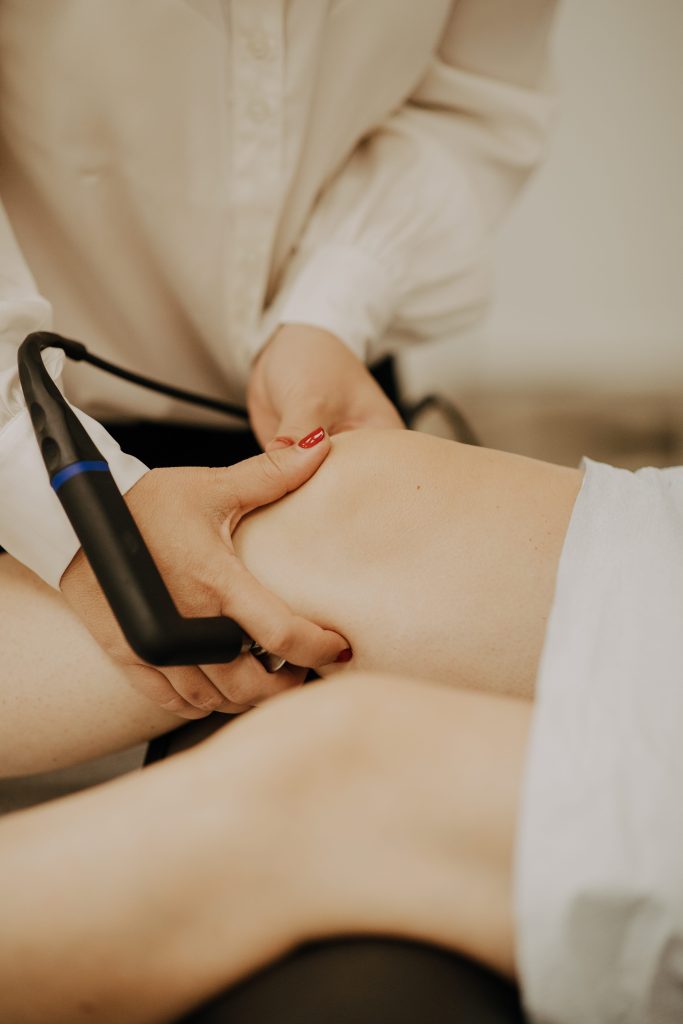
Advance Core Physical Therapy & Wellness is the only licensed provider of INDIBA in Chicago. INDIBA® is the market leader in radio frequency treatments for reducing pain and accelerating the natural recovery of the body. The INDIBA device generates a safe, pain free, electromagnetic wave that introduces energy into the body. This causes bio-stimulation and a thermal effect, which complements your recovery and can improve results from your first treatment.
It involves using a handheld device that emits a high-frequency electrical current, which is applied to the skin and underlying tissues on the affected area/ pelvic floor region.
Treatment with INDIBA helps:
- Reduce incontinence, allowing for you to return to everyday life without the worry and inconvenience of leaking
- Improve the pelvic muscles ability to contract and relax, reducing pain
- Improve ejaculation control by ensuring the pelvic area is toned
- Manage chronic pelvic pain
During an Indiba therapy session, your PT will apply the device to the skin in the pelvic floor area, and may use a variety of techniques to target specific areas of tension or dysfunction. The therapy is typically painless and may be combined with other forms of pelvic floor rehabilitation, such as exercise or manual therapy.
Dry Needling
Dry needling is a technique involving inserting thin, solid needles into the skin and underlying tissues, with the goal of reducing pain and improving musculoskeletal function. We insert the needles into these areas, with the goal of creating a local twitch response and triggering a release of tension or restriction in the surrounding tissues.
Dry needling is used to treat a range of musculoskeletal conditions, including neck and back pain, headaches, plantar fasciitis, and sports injuries. We are certified in dry needling with many more certifications in orthopedic and pelvic floor rehabilitation
used in physical therapy.
Dr Moise, Master Dry Needling Certification
Visceral Manipulation
Visceral Manipulation is based on the premise that movement is essential for life and any restriction within the body will affect our health. Visceral Manipulation (often called Organ Mobilization) is a hands-on gentle release of tension to the structures within the body, organ, fascia, nerves, blood vessels, as well as emotional tension.
During the procedure, your therapist will use gentle manual pressure and specific movements to improve organ mobility, enhance the body’s natural healing process, and relieve discomfort.
AlterG Treadmill Therapy
AlterG innovative Anti-Gravity Treadmill™ technology empowers people to move in new ways and without pain – to recover mobility, improve wellness, and enhance physical performance.
The AlterG is a specialized treadmill used in rehabilitation settings that allows individuals to exercise with a reduced amount of weight-bearing on their lower extremities. This can be particularly beneficial for individuals who are recovering from lower limb injuries or surgeries, or who have conditions that make weight-bearing exercise difficult or painful.
How does it work?
The AlterG works by enclosing the lower body in an airtight chamber that creates a lift force, which reduces the amount of weight-bearing on the legs. The amount of lift force can be adjusted to match the individual's needs and goals, allowing for a gradual increase in weight-bearing over time.
Real-Time Ultrasound
Pelvic real-time ultrasound (RTUS) is a diagnostic and treatment tool often used in pelvic floor rehabilitation. The technique involves the use of a specialized ultrasound machine and a small probe that is inserted into the vagina or rectum, allowing for real-time visualization of the pelvic organs and musculature.
We use pelvic RTUS to evaluate the function of the pelvic floor muscles, including their ability to contract and relax, as well as the position and function of the bladder, uterus, and other pelvic organs. Our PTs also use it to guide treatment, such as biofeedback or pelvic floor muscle exercises, by allowing us to see the muscles contracting in real-time on a screen.
Low-Pressure Fitness
Low Pressure Fitness (LPF) is a therapeutic exercise approach that combines breathing techniques, postural re-education, and core muscle training to improve the function and health of the pelvic floor muscles, core muscles, and respiratory system. We use a specialized breathing device called an AirBelt to facilitate proper breathing mechanics and support the core muscles during exercise.
LPF improves the strength and coordination of the pelvic floor and core muscles, improves breathing function, and reduces symptoms such as urinary incontinence, pelvic pain, and lower back pain.
The PTs at Advance Core are certified in LPF, and can ensure a safe and effective treatment. The specific treatment plan will depend on your needs and condition, and may involve ongoing maintenance exercises to maintain the benefits of therapy.
Dr. Moise is a certified LPF physical therapist, trained by Dr. Tamara Rial (the developer of the treatment program.)



Frequently Asked Pelvic Floor Therapy Questions
Pelvic floor therapy is a specialization of physical therapy that focuses on improving the function and strength of the muscles in the pelvic region. This therapy addresses many issues, such as urinary incontinence, pelvic pain, and sexual dysfunction. With the help of a trained therapist, patients can work on regaining control of these muscles and live a more comfortable, fulfilling life.
Whether through targeted exercises, manual therapy, or technology, pelvic floor therapy offers a personalized and effective solution for individuals looking to improve their pelvic health.
The exact timing of when to start pelvic floor therapy after giving birth depends on the birth type (vaginal/cesarean), whether you had any complications during delivery, and your overall health and recovery.
In general, you can start pelvic floor therapy after your six-week postpartum checkup. This allows your body time to heal from childbirth. However, if you had a difficult delivery, such as a forceps or vacuum-assisted delivery, a tear, or episiotomy, you may want to start therapy sooner.
While often associated with women’s health, pelvic floor therapy can also bring wonderful benefits for men. If you have a pelvis, you can benefit from Pelvic Floor Therapy!
Firstly, Pelvic Therapy can improve bladder and bowel control, allowing men to avoid embarrassing and inconvenient accidents. It can also address erectile dysfunction by improving blood flow to the pelvic region and strengthening the muscles responsible for achieving and maintaining an erection. Additionally, pelvic floor therapy can help alleviate chronic pelvic pain, which can have a significant impact on quality of life.
We understand that seeking help for pelvic floor issues can feel uncomfortable or embarrassing for many men. Please remember that pelvic floor therapy is safe, effective, and non-invasive, and can significantly improve your quality of life. The caring physical therapists at Advance Core Therapy will work with you in a professional and compassionate manner to help you achieve your goals and improve your overall well-being.
Common procedures and exercises used in Pelvic Floor Therapy may include:
Manual Therapy: Manual therapy techniques such as soft tissue mobilization and trigger point release may be used to improve the mobility and function of the pelvic floor muscles.
Biofeedback: Biofeedback is a technique that involves using sensors to monitor muscle activity and provide feedback to the patient about how to better control their pelvic floor muscles.
Radiofrequency Stimulation: We provide INDIBA® treatments — the market leader in radio frequency treatments for reducing pain and accelerating the natural recovery of the body. The INDIBA device generates a safe, pain free, electromagnetic wave that introduces energy into the body, causing bio-stimulation and a thermal effect, which complements your recovery and can improve results from your first treatment.
Therapeutic Exercise: Therapeutic exercises customized to your needs can help strengthen the pelvic floor muscles.
Relaxation Techniques: Relaxation techniques such as diaphragmatic breathing and meditation can help reduce muscle tension and improve overall pelvic floor function.
Education: Pelvic floor therapy may involve educating patients about anatomy, proper posture, and techniques for improving pelvic floor function in daily activities.
Pelvic Floor Therapy is an effective alternative to surgery since it does not require incisions (that will take a while to heal) or general anesthesia. It has no side effects and does not require a lengthy recovery period.
Studies have shown that patients who undergo Pelvic Floor Therapy report:
- reduced pain
- improved bladder and bowel control
- an overall improvement in their ability to perform daily activities
Surgical procedures can be associated with significant risks, such as infection, bleeding, and damage to surrounding organs. Recovery from surgery can be lengthy, which can impact your quality of life.
Although in some cases, surgery might be the only option, most healthcare providers recommend choosing a non-invasive option first.
By choosing pelvic floor therapy as your first line of defense, patients can avoid the risks and limitations associated with surgery and enjoy the benefits of a non-invasive, effective, and convenient treatment option.
If you’re recovering from pelvic or abdominal surgery, you will benefit from physical therapy to help you regain strength, mobility, and function.
It’s common to experience pain, weakness, and limited mobility in the affected area. PT can help you manage these symptoms while promoting healing and preventing complications. We will guide you through exercises that focus on restoring flexibility, strength, and range of motion in your pelvic and abdominal muscles.
Our goal is to help you recover as quickly and safely as possible so that you can return to your normal activities.
Get Started Today
Meet your PT provider
Schedule an appointment and meet your Chicago Physical Therapist who will help you put together a PT plan.
Follow the customized plan
The physical therapy plan we create for you will ensure you get better and start feeling results, fast.
Reach your goals
Forget about embarrassment, pain, or holding back. Get back to living your life — stronger than ever.